Tag: Customer service

  • Why AI Makes Business Owners Uneasy

    Why AI Makes Business Owners Uneasy

    Why AI Makes Business Owners Uneasy

    As AI technology rapidly advances, many small business owners find themselves both intrigued and unsettled. While AI promises efficiency and 24/7 customer support, the implications of its integration can be daunting. Let’s explore a case study to understand why AI might make business owners uneasy.

    The Rising Presence of AI in Business
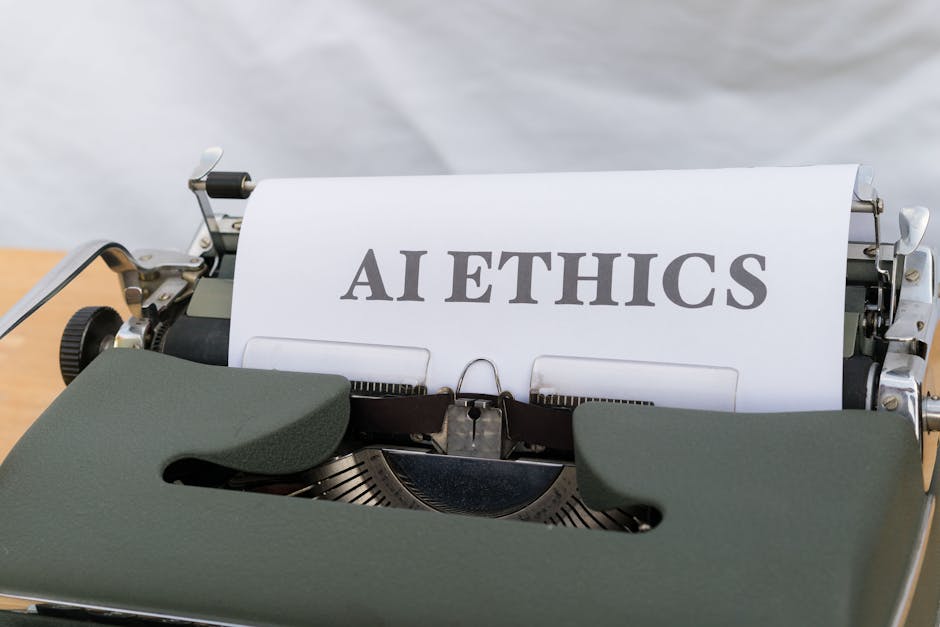
    AI technology in a small business environment
    Photo by Markus Winkler on Pexels

    AI adoption in small businesses is on the rise, with more entrepreneurs looking to leverage its capabilities for competitive advantage. Recent statistics show that AI-driven customer service and support have become a cornerstone of many business strategies, enhancing efficiency and enabling around-the-clock service.

    However, this surge in AI adoption comes with a caveat: the fear of the unknown. Business owners worry about potential technical issues, costs, and the impact on personalized customer service.

    A Closer Look: Case Study of ‘Local Café Co.’

    A cozy local café setting
    Photo by Mathias Reding on Pexels

    ‘Local Café Co.’ is a beloved neighborhood coffee shop that decided to integrate AI into its operations. The business aimed to streamline its customer service and manage online orders more efficiently, anticipating a boost in customer satisfaction and sales.

    Initially, the expectations were high. The owners envisioned an AI system that would seamlessly handle inquiries and automate routine tasks, freeing up staff to focus on the in-store experience. However, the reality proved to be more complex.

    The Unease: Challenges Faced by ‘Local Café Co.’

    Customer looking frustrated at a café counter
    Photo by Tim Samuel on Pexels

    Despite the initial excitement, ‘Local Café Co.’ encountered several challenges with their AI implementation. Technical hiccups led to delayed responses and frustrated customers. Moreover, there were rising concerns over data privacy, as customers questioned how their information was being stored and used.

    The integration of AI should never compromise the trust that customers place in a business.

    These issues underscored the importance of transparency and reliability when deploying AI solutions in customer-facing roles.

    Balancing Efficiency with Personal Touch

    Café staff providing personal customer service
    Photo by iMin Technology on Pexels

    One of the critical lessons learned was the necessity of balancing AI efficiency with the personal touch that customers expect. Human interaction remains a vital component of customer service, and businesses must ensure that AI complements, rather than replaces, this interaction.

    Here are some strategies to integrate AI without losing the personal touch:

    • Ensure AI interactions are personalized and context-aware.
    • Maintain a human backup for complex queries.
    • Regularly gather customer feedback to fine-tune AI responses.

    AI should enhance, not replace, the personal connections that define customer relationships.

    Lessons Learned and Moving Forward

    Business team planning strategy
    Photo by Kindel Media on Pexels

    The experience of ‘Local Café Co.’ offers valuable insights for other small businesses considering AI integration. By acknowledging the potential pitfalls and preparing for them, businesses can better harness AI’s potential.

    When implemented thoughtfully, AI can offer significant advantages, such as improved efficiency and cost savings. However, careful planning and ongoing evaluation are essential to avoid alienating customers and eroding trust.

    Expert Tips for AI Integration

    AI specialist consulting with a business owner
    Photo by Sora Shimazaki on Pexels

    For small businesses looking to integrate AI, consulting with AI specialists can provide tailored solutions that align with specific business needs. Regularly reviewing AI systems for improvements and updates is also crucial to ensure optimal performance and customer satisfaction.

    Consider these actionable tips:

    • Work with experienced AI consultants for customized strategies.
    • Schedule periodic reviews and updates to your AI systems.
    • Communicate transparently with customers about AI use and data privacy.

    By taking these steps, small business owners can navigate the challenges of AI integration while preserving their unique business identity.

    AI is a powerful tool for small businesses, but it comes with its own set of challenges. By carefully navigating these challenges, small business owners can harness AI’s benefits while maintaining their unique business identity.

    Ready to explore AI solutions for your business? Try Lumabot risk-free for 14 days and discover how AI can enhance your customer service.


  • AI Transforms One-Person Business Support

    AI Transforms One-Person Business Support

    AI Transforms One-Person Business Support

    In today’s fast-paced world, small business owners often find themselves juggling multiple tasks at once. Discover how a one-person business harnessed the power of AI to efficiently manage 200 customer inquiries daily, streamlining their workflow without needing any technical expertise.

    Understanding the Challenge

    An overwhelmed small business owner
    Photo by RDNE Stock project on Pexels

    Solo entrepreneurs face a unique set of challenges, especially when it comes to customer service. Managing a high volume of inquiries can be daunting, affecting both business growth and personal well-being. Without the right support, it’s easy to become overwhelmed.

    Choosing the Right AI Tool

    Comparison of AI tools for small businesses
    Photo by Hatice Baran on Pexels

    Choosing the right AI tool is crucial for small businesses. Criteria such as ease of use, cost-effectiveness, and scalability are key. Enter Lumabot, a digital AI agent designed specifically for small business support, offering features that are practical and actionable.

    Setting Up AI for Customer Inquiries

    Setting up AI for customer inquiries
    Photo by Solen Feyissa on Pexels

    Implementing AI doesn’t require technical expertise. With Lumabot, setting up AI for managing customer inquiries is straightforward. Personalization options ensure that the AI reflects your business’s unique brand voice.

    Workflow Improvements and Time Savings

    Improved workflow with AI
    Photo by Matheus Bertelli on Pexels

    AI effectively manages repetitive tasks and frequently asked questions, saving significant time. This time can then be reinvested into other critical business areas, enhancing overall productivity.

    Enhancing Customer Experience

    A satisfied customer interacting with AI
    Photo by Sanket Mishra on Pexels

    AI provides round-the-clock support, significantly improving customer satisfaction. Feedback from customers highlights the efficiency and reliability of AI-driven interactions, leading to a better customer experience.

    Scaling Your Business with AI

    Business growth through AI
    Photo by Pavel Danilyuk on Pexels

    By freeing up time through AI, businesses can focus on growth and scaling. Strategies for scaling operations using AI technology are not only feasible but also beneficial for long-term success.

    AI technology, like Lumabot, presents an invaluable opportunity for small business owners to streamline customer service operations and focus on growth. Embrace the potential of AI to transform your customer interactions and business efficiency.

    Try Lumabot risk-free for 14 days and see how it can revolutionize your customer service.

  • AI Isn’t Magic — It’s a Tool for SMBs

    AI Isn’t Magic — It’s a Tool for SMBs

    AI Isn’t Magic — It’s a Tool for SMBs

    In the age of digital transformation, AI is often portrayed as a magical solution to all business problems. However, for small business owners, understanding what AI can truly offer is key to leveraging it effectively. Let’s cut through the hype and explore how AI can be a valuable asset rather than a mythical savior.

    Understanding AI: Separating Fact from Fiction

    AI concept illustration
    Photo by Sanket Mishra on Pexels

    Artificial Intelligence, or AI, encompasses a range of technologies that enable machines to simulate human-like cognitive functions such as learning and problem-solving. It’s not about creating robots with human intelligence; rather, it’s about using algorithms to process data and make informed decisions. However, many misconceptions surround AI, often fueled by sensational media portrayals. It’s crucial to recognize AI as a tool with specific capabilities—not a magical entity that can solve every problem overnight.

    “AI is not magic; it’s technology that requires clear understanding and strategic implementation.”

    Setting Realistic Expectations for AI

    Realistic expectations for AI in business
    Photo by Pavel Danilyuk on Pexels

    When it comes to what AI can realistically achieve for small businesses, there are several areas where it can be immensely helpful. AI can automate repetitive tasks, provide data-driven insights, and enhance customer experiences. However, it’s essential to acknowledge its limitations. AI cannot replace the nuanced understanding and emotional intelligence that humans bring to the table. Additionally, implementing AI solutions can come with challenges such as data privacy concerns and the need for ongoing maintenance.

    “AI can enhance your business operations, but it cannot replace the human touch.”

    AI in Customer Service: Enhancing, Not Replacing

    AI customer service interaction
    Photo by Mikhail Nilov on Pexels

    One of the most practical applications of AI for small businesses is in customer service. AI-powered tools like Lumabot offer 24/7 support, ensuring that customer queries are addressed promptly, regardless of the time of day. This enhances the customer experience by providing immediate assistance. However, while AI can handle routine queries, complex issues still require human oversight and interaction. A balanced approach, integrating AI with human expertise, yields the best results.

    Investing in AI: What Small Businesses Need to Consider

    AI investment considerations for SMBs
    Photo by Artem Podrez on Pexels

    For small businesses considering AI investment, several factors should be top of mind:

    • Cost-Effective Solutions: Look for AI tools that offer a good balance between features and affordability.
    • Scalability: Choose solutions that can grow with your business.
    • Integration: Ensure that the AI can be seamlessly integrated with your existing systems.
    • Vendor Support: Reliable vendor support can make the implementation process smoother and help address any issues that arise.

    Lumabot features practical solutions that can integrate with your existing customer service systems to enhance efficiency.

    Case Studies: Success Stories from Small Businesses

    Small business success with AI
    Photo by Markus Winkler on Pexels

    Consider the example of a local retail store that implemented AI chatbots to manage customer inquiries. This not only improved response times but also freed up staff to focus on in-store customers. Another example is a small accounting firm that used AI for data analysis, allowing them to offer more personalized financial advice to their clients. These stories highlight the importance of setting clear goals and expectations when adopting AI technology.

    “Real-world examples show that with strategic implementation, AI can significantly benefit small businesses.”

    The Future of AI: Trends to Watch

    Future AI trends for small businesses
    Photo by Markus Winkler on Pexels

    As AI technology continues to evolve, several trends are emerging that small businesses should keep an eye on. These include the increasing use of AI for personalized marketing, advancements in natural language processing, and the rise of AI-driven data analytics. Staying informed and adaptable will be key as these trends unfold, allowing small businesses to continue leveraging AI effectively.

    As AI continues to evolve, small business owners have the opportunity to harness its power effectively by setting realistic expectations and making informed investments. By understanding AI’s true capabilities and limitations, you can transform it from a buzzword into a practical tool that drives growth and efficiency.

    Try Lumabot risk free for 14 days and discover how AI can enhance your business operations.

  • Feed Your Chatbot: Boost Business Success

    Feed Your Chatbot: Boost Business Success

    Feed Your Chatbot: Boost Business Success

    Imagine having a personal assistant who never sleeps, always ready to engage with your customers. That’s the power of an AI-driven chatbot! But to truly harness its potential, you need to feed it the right information about your business.

    Business Basics: The Foundation

    business information inputs
    Photo by Philip Strong on Unsplash

    Your chatbot needs to start with the basics. Provide it with your business name, address, and contact information. This is the foundation that allows it to answer simple customer questions immediately. Additionally, upload your business history and mission; this gives context to customers and imbues your chatbot with the essence of your brand’s story.

    Product and Service Details

    Ensure your chatbot has a comprehensive list of the products or services you offer. Include key features, pricing, and any available promotions. This equips your chatbot to handle customer inquiries swiftly and accurately, enhancing their shopping experience.

    Customer Service Protocols

    customer service interaction
    Photo by Vitaly Gariev on Unsplash

    Outline common customer inquiries and the appropriate responses your chatbot should provide. Integrate company policies on returns, exchanges, and shipping to ensure that customers always have the most up-to-date information. A well-informed chatbot can resolve issues efficiently, improving customer satisfaction.

    Frequently Asked Questions

    FAQ section
    Photo by Ralph Hutter on Unsplash

    Compile a list of FAQs with clear, concise answers. This resource allows your chatbot to provide quick responses to common questions. Regularly update this section to reflect customer feedback and emerging trends, keeping your chatbot relevant and helpful.

    Personalized Customer Interactions

    personalized customer data interaction
    Photo by Cova Software on Unsplash

    Your chatbot should recognize returning customers and incorporate their purchase history to offer tailored recommendations. This level of personalization can significantly enhance customer loyalty and increase sales potential.

    24/7 Support: Always Available

    24/7 support representation
    Photo by Claudio Schwarz on Unsplash

    One of the greatest advantages of an AI chatbot is its capability of handling inquiries outside of business hours. Ensure your chatbot can manage these interactions and escalate issues to human agents when necessary. This continuous support is invaluable in maintaining customer satisfaction.

    Measuring Success: Analytics and Feedback

    analytics dashboard
    Photo by 1981 Digital on Unsplash

    Utilize analytics to track your chatbot’s performance. Gathering data on interactions can provide insights into areas for improvement. Encourage customer feedback to continuously refine and optimize your chatbot’s capabilities, ensuring it remains a powerful tool in your customer service solutions.

    By feeding your chatbot the right information, it becomes a powerful tool that enhances customer relationships and streamlines your business operations. Remember, the more it knows, the better it can serve.

    Try Lumabot risk-free for 14 days!

  • AI Bots: A Boon or Bane for Small Businesses?

    AI Bots: A Boon or Bane for Small Businesses?

    AI Bots: A Boon or Bane for Small Businesses?

    In the rapidly evolving world of technology, AI is often perceived as both an opportunity and a threat. For small business owners, the rise of AI and bots can feel intimidating. But should they really be scared?

    Understanding AI in Customer Service

    AI enhancing customer service
    Photo by Kindel Media on Pexels

    Artificial Intelligence, or AI, refers to the simulation of human intelligence in machines designed to think and act like humans. In today’s market, AI plays a crucial role in enhancing customer service experiences. By automating routine tasks, AI allows businesses to provide quicker, more accurate responses to customer inquiries. This not only improves efficiency but also enhances customer satisfaction by providing a seamless service experience.

    The Rise of 24/7 Support

    Round-the-clock AI customer support
    Photo by Karolina Grabowska www.kaboompics.com on Pexels

    One of the most significant advantages AI offers small businesses is the ability to provide round-the-clock service. This 24/7 availability means that customers can get the help they need at any time, leading to increased satisfaction and loyalty. Consider the case of a small retail business that implemented 24/7 AI support. The business saw a substantial increase in sales as customers appreciated the continuous access to product information and support.

    Cost Efficiency of AI Solutions

    Cost efficiency of AI vs human staff
    Photo by Kindel Media on Pexels

    When it comes to cost efficiency, AI solutions often outperform their human counterparts. While the initial investment in AI technology can be significant, the long-term savings are substantial. For example, a small business that integrated AI into their customer service operations reported a 30% reduction in operational costs while increasing efficiency. This allowed them to allocate resources to other critical areas of the business.

    AI and Customer Satisfaction

    Happy customers with AI service
    Photo by MART PRODUCTION on Pexels

    Customer satisfaction is the cornerstone of any successful business. AI can significantly enhance this by providing personalized, faster service. A case study involving a small e-commerce store revealed that customer feedback improved dramatically after AI was implemented. Customers reported quicker response times and a more personalized shopping experience, leading to increased repeat business and referrals.

    Addressing the Fear Factor

    Overcoming fear of AI in business
    Photo by MART PRODUCTION on Pexels

    Despite the benefits, many business owners harbor fears about AI, such as losing the personal touch with customers. However, AI should be seen as a tool to enhance, not replace, the human element. By leveraging AI for routine tasks, businesses can free up human employees to focus on building relationships and providing a personal touch where it matters most. It’s about finding the right balance between technology and human interaction.

    Future of AI in Small Businesses

    Future trends in AI technology
    Photo by Pavel Danilyuk on Pexels

    Looking ahead, the integration of AI into small businesses is set to grow. As technology advances, AI solutions will become more accessible and affordable. To stay competitive, small businesses should consider the following steps to integrate AI into their strategy:

    • Identify tasks that can be automated.
    • Choose AI solutions that align with business goals.
    • Train staff to work alongside AI technology.
    • Continuously monitor and adjust AI implementations for optimal performance.

    In conclusion, while the integration of AI into small businesses may seem daunting, the potential benefits far outweigh the challenges. Embracing AI can lead to significant growth and efficiency, ensuring your business remains competitive in an ever-evolving market.

    Call to Action: Try Lumabot risk-free for 14 days and discover the benefits of AI for your business.

  • AI Customer Service for Small Teams

    AI Customer Service for Small Teams

    AI Customer Service for Small Teams

    In the modern business landscape, customer service can make or break a brand’s reputation. For small businesses, providing round-the-clock support can be a daunting task. However, with the advent of AI technology, even the smallest teams can offer exceptional service without losing the personal touch. Let’s explore how AI can transform your customer service strategy.

    Understanding AI’s Role in Customer Service

    AI technology in customer service
    Photo by Andrew Neel on Pexels

    AI technology is reshaping customer service by automating responses, managing inquiries, and providing support 24/7. For small businesses, AI offers numerous benefits including cost savings, efficiency, and the ability to scale customer interactions without expanding the team.

    “AI tools like Lumabot allow small businesses to punch above their weight in customer service.”

    Maintaining Brand Voice with AI

    AI maintaining brand voice
    Photo by Solen Feyissa on Pexels

    A consistent brand voice is crucial for customer trust and loyalty. Training AI to reflect your brand’s tone involves feeding it with specific language patterns, key phrases, and guidelines that capture your brand’s personality.

    “Your brand voice is the heart of your customer interactions—AI can help you maintain it, not lose it.”

    When to Escalate to Human Support

    AI escalation to human support
    Photo by Matheus Bertelli on Pexels

    While AI is powerful, it can’t handle every situation. Scenarios requiring emotional intelligence, complex problem-solving, or personalized responses are best handled by humans. Set up your AI to recognize and flag these escalation triggers efficiently.

    Case Study: Successful AI Implementation

    Successful AI implementation in small business
    Photo by Kindel Media on Pexels

    Consider the case of ABC Retail, a small business that implemented AI to streamline their customer support. Initially, they faced challenges in integrating their brand voice, but by refining their AI training data, they achieved a seamless experience. This led to a 30% increase in customer satisfaction and reduced response times by 50%.

    Measuring AI Success in Customer Service

    Measuring AI success in customer service
    Photo by Mikhail Nilov on Pexels

    To gauge AI’s effectiveness, track key performance indicators (KPIs) such as response time, customer satisfaction scores, and resolution rates. Use this data to continually adjust your strategy and improve your service offerings.

    “Data-driven insights empower small businesses to refine their AI customer service strategy continuously.”

    Choosing the Right AI Tool for Your Team

    Choosing the right AI tool for your team
    Photo by Airam Dato-on on Pexels

    Selecting the right AI solution involves considering factors like ease of integration, scalability, and cost. Popular tools like Lumabot offer features tailored for small businesses, ensuring you get the most practical and helpful customer service solutions.

    In conclusion, AI doesn’t have to be impersonal. With strategic implementation, small businesses can provide 24/7 support that enhances customer relationships while maintaining the human touch.

    Call to Action: Try Lumabot risk-free for 14 days and see how it can revolutionize your customer service.

  • AI Starter Pack for Small Businesses

    AI Starter Pack for Small Businesses

    AI Starter Pack for Small Businesses

    Artificial Intelligence (AI) isn’t just for tech giants anymore. Small businesses are increasingly using AI to streamline operations, enhance customer service, and stay competitive. But with so many options, how do you know which AI tools are worth your investment?

    Must-Have AI Tools for Small Businesses

    Customer service bots and analytics
    Photo by PB Swiss Tools on Unsplash

    Adopting AI tools can be a game changer for small businesses looking to improve efficiency and customer satisfaction. Here are some must-have AI tools that can make a significant impact:

    Customer Service Bots

    Customer service bots enable businesses to enhance their 24/7 support without hiring additional staff. These bots can handle routine inquiries, freeing up human resources for more complex tasks. With Lumabot’s customer service solutions, small businesses can provide consistent and reliable support anytime, anywhere.

    AI-Powered Analytics

    Understanding customer behavior and market trends is crucial for making informed business decisions. AI-powered analytics tools can process vast amounts of data quickly, offering actionable insights that help you stay ahead of the competition.

    “AI analytics tools are like having a crystal ball for your business insights.”

    AI Tools You Can Skip (For Now)

    AI tools that small businesses can skip
    Photo by Anton Savinov on Unsplash

    While AI offers many valuable tools, not all are necessary for small businesses right now. Here are a couple of tools you might consider skipping:

    Advanced Machine Learning

    For most small businesses, advanced machine learning capabilities are overkill. These systems require significant data and resources to implement effectively, which may not be feasible for smaller operations.

    AI for Cybersecurity

    AI-driven cybersecurity solutions are often more suited for larger enterprises with complex security needs. Small businesses can typically rely on more straightforward, cost-effective security measures.

    “Focus on tools that directly align with your current business needs.”

    Affordable AI Tools to Build In-House

    Building AI tools in-house
    Photo by Samson Vowles on Unsplash

    Building AI tools in-house can be a cost-effective way to tailor solutions to your specific business needs. Here are two AI tools you can consider developing yourself:

    Chatbots

    Creating customized chatbots allows you to address specific customer queries and improve engagement. With platforms like Lumabot, you can develop bots that reflect your brand voice and meet your unique requirements.

    Basic Automation Scripts

    Automating repetitive tasks with simple scripts can save time and reduce human error. These scripts can handle tasks such as data entry, scheduling, and email responses, freeing up resources for more strategic activities.

    Leveraging AI for Improved Customer Service

    Using AI for improved customer service
    Photo by Erik Mclean on Unsplash

    AI can significantly enhance customer service by providing timely and personalized interactions. Here’s how:

    Automated Response Systems

    Automated response systems ensure that customers receive immediate assistance, even outside of regular business hours. These systems can handle common queries and direct more complex issues to human agents as needed.

    AI-Driven Personalization

    Using AI to analyze customer data enables businesses to offer personalized experiences. Tailoring recommendations and communications to individual preferences can lead to increased customer satisfaction and loyalty.

    “Personalization is key to building lasting relationships with your customers.”

    Budget-Friendly AI Solutions

    Budget-friendly AI solutions
    Photo by Ryno Marais on Unsplash

    Investing in AI doesn’t have to break the bank. Consider these budget-friendly options:

    Freemium AI Tools

    Many AI tools offer free versions with basic features. These allow you to test their effectiveness before committing to a paid plan, making them an excellent starting point for small businesses.

    AI Subscription Services

    Subscription-based AI services offer scalable solutions with pay-as-you-go models. This structure allows small businesses to access advanced AI capabilities without a large upfront investment.

    AI offers small businesses a valuable opportunity to enhance efficiency and customer service. By choosing the right tools and skipping unnecessary ones, business owners can effectively integrate AI into their operations without breaking the bank.
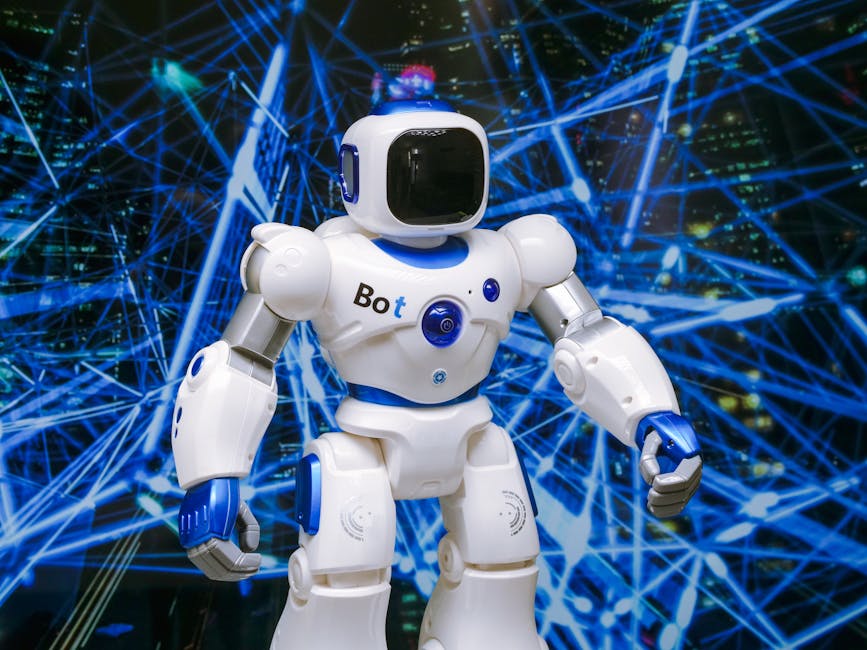
    Try Lumabot risk-free for 14 days and see how AI can transform your business!

  • Build Trust with AI, Keep Your Team Human

    Build Trust with AI, Keep Your Team Human

    Build Trust with AI, Keep Your Team Human

    In the fast-paced world of radio, staying connected with your audience is key. As AI tools like LumaBot become more prevalent for enhancing efficiency and providing 24/7 support, how can radio DJs leverage these technologies without losing their unique personal touch?

    Understanding the Role of AI in Radio

    AI integration with radio station setup
    Photo by Jacob Hodgson on Unsplash

    Artificial Intelligence has the potential to revolutionize customer service and support in the radio industry. By offering 24/7 support, AI tools like LumaBot can handle routine inquiries, freeing up time for DJs and staff to focus on creating engaging content. This blend of automation and human interaction can enhance the listener experience, providing timely responses while maintaining the warmth that only a human touch can offer.

    Identifying Potential Concerns

    Team discussing AI integration concerns
    Photo by litoon dev on Unsplash

    Despite its potential, the introduction of AI tools can raise concerns among team members, particularly regarding job displacement. It’s crucial to reassure your team that AI is not here to replace them but to augment their capabilities. Maintaining a personal connection with listeners is paramount, and AI should be seen as a tool to help achieve that, not hinder it.

    Strategies for Building Trust with AI

    Team meeting about AI strategies
    Photo by TECNIC Bioprocess Solutions on Unsplash

    Introducing AI gradually and involving team members in the process can build trust and acceptance within your team. Consider the following strategies:

    • Start with non-intrusive applications of AI, like automating mundane tasks.
    • Encourage team input on how AI can assist them in their roles.
    • Showcase how AI can enhance, not replace, the human touch in interactions.

    “AI should be seen as a partner in creativity, not a competitor.”

    Maintaining Company Culture While Adopting AI

    To successfully integrate AI without compromising company culture, create an open dialogue about its role and benefits. Highlight success stories where AI and human teams work together harmoniously. This transparency can alleviate fears and demonstrate AI’s potential as a helpful ally.

    Training Your Team to Use AI Tools Effectively

    Team training in AI tools usage
    Photo by Kobe Kian Clata on Unsplash

    Providing training sessions and resources is critical to ensuring your team feels confident using AI tools like LumaBot. Encourage feedback and promote continuous learning to adapt AI applications to your team’s needs. This commitment to education can empower your team to leverage AI effectively.

    “Empower your team with knowledge and watch them thrive alongside AI.”

    Measuring Success and Adjusting Strategies

    Analyzing AI performance metrics
    Photo by Markus Winkler on Unsplash

    Set clear KPIs to measure the impact of AI on customer service. Regularly review and refine strategies to ensure they align with your company’s values and goals. This proactive approach ensures AI remains a positive force in your organization.

    Balancing AI with your human team doesn’t have to be a daunting task. By taking thoughtful steps to integrate AI like LumaBot, you can enhance your radio show’s efficiency while keeping the human connection strong.

    Call-to-Action: Try LumaBot free for 14 days and see how it can transform your radio station’s customer service.

  • The $10K Question: Cost of Not Using AI

    The $10K Question: Cost of Not Using AI

    The $10K Question: Cost of Not Using AI

    In today’s fast-paced business world, time is money, and inefficiency can be costly. Discover how not utilizing AI could be costing your small business thousands in wasted resources and missed opportunities. This case study unveils a practical framework for calculating the true cost of repetitive tasks and the ROI potential of AI automation.

    Understanding the True Cost of Repetitive Tasks

    Small business owner overwhelmed by paperwork
    Photo by Christina Radevich on Unsplash

    Every small business has its share of repetitive tasks that eat away at valuable time. These tasks often include data entry, responding to routine inquiries, and managing inventory or scheduling. For instance, a small retail store might spend hours each week manually updating their stock levels, while a service-based business could be bogged down by appointment scheduling.

    Let’s consider a real-world example: a small e-commerce business spends an average of 10 hours a week managing customer inquiries and order processing manually. This time adds up to 520 hours a year, translating into lost opportunities to grow the business.

    Case Study: A Small Business Before and After AI

    Small business before and after AI implementation
    Photo by Vitaly Gariev on Unsplash

    Meet Jane, the owner of a thriving boutique. Jane was struggling with repetitive tasks that took her away from focusing on strategic growth. After implementing AI tools like Lumabot, she noticed immediate changes. The AI took over routine customer service inquiries and automated inventory management, freeing up Jane’s time to focus on expanding her product line.

    “AI transformed my business operations, freeing up 15 hours a week that I could reinvest in strategic initiatives,” says Jane.

    Calculating the ROI of AI Automation

    Graph showing ROI increase after AI implementation
    Photo by Yusuf Onuk on Unsplash

    Calculating the return on investment (ROI) for AI automation is straightforward. Use this simple formula: ROI = (Net Profit from AI – Cost of AI) / Cost of AI. In Jane’s case, the initial investment in AI tools was $5,000, but by saving 15 hours a week, she effectively gained $20,000 in value annually, resulting in a substantial ROI.

    “The ROI on AI investment was clear; it paid for itself within months,” Jane added.

    The Role of AI in Enhancing Customer Service

    AI-powered customer service interaction
    Photo by Cova Software on Unsplash

    AI plays a crucial role in enhancing customer service by providing 24/7 support. This constant availability leads to improved customer satisfaction and retention rates. Businesses using AI-driven customer service solutions, like Lumabot features, report higher engagement and loyalty from their customers.

    Consider this: customers expect prompt responses. AI ensures no inquiry goes unanswered, maintaining high satisfaction levels and fostering trust.

    Steps to Implement AI in Your Small Business

    Steps for AI implementation in small businesses
    Photo by Kaden Taylor on Unsplash

    Ready to integrate AI into your business? Follow these actionable steps:

    • Identify the most time-consuming repetitive tasks.
    • Research AI tools that address your specific needs.
    • Select a reliable vendor offering comprehensive support.
    • Start with a pilot program to test AI solutions.
    • Measure results and refine your AI strategy continuously.

    When selecting AI tools, consider Lumabot for its robust customer service solutions and easy integration.

    In conclusion, AI can transform repetitive processes into opportunities for growth, as demonstrated in Jane’s case study. The financial and operational benefits are undeniable, making AI not just an option but a necessity for small businesses aiming to thrive in today’s competitive landscape.

    Call to Action: Try Lumabot free for 14 days and discover the power of AI automation in your business.

  • AI Chatbots: Your 2026 Business Ally

    AI Chatbots: Your 2026 Business Ally

    AI Chatbots: Your 2026 Business Ally

    As we look towards 2026, AI chatbots are poised to transform how small businesses operate. With advancements in AI technology, these digital companions are set to become indispensable tools for enhancing customer service and operational efficiency.

    The Rise of AI in Small Business

    Small business using AI technology
    Photo by Surface on Unsplash

    The growing integration of AI in various business processes is reshaping the landscape for small businesses. Once a luxury for large enterprises, AI technology has become increasingly accessible and affordable, allowing small business owners to leverage these tools effectively. This democratization of AI has empowered smaller businesses to compete on a larger scale, offering them the ability to streamline operations, reduce costs, and improve customer interactions.

    AI Chatbots: The 24/7 Support Revolution

    Customer service AI chatbot
    Photo by Zulfugar Karimov on Unsplash

    One of the most significant advantages of AI chatbots is their ability to provide 24/7 customer support. By enhancing customer service with around-the-clock assistance, businesses can significantly reduce customer wait times and improve satisfaction. These chatbots not only handle inquiries quickly but also ensure consistent and reliable service, which is crucial for maintaining customer loyalty in a competitive market.

    “AI chatbots are revolutionizing customer service by providing instant, 24/7 support that enhances satisfaction and loyalty.”

    Customizing Chatbots for Your Business Needs

    Chatbot customization interface
    Photo by Sanket Mishra on Unsplash

    Customizing chatbots to meet specific business needs is essential for maximizing their effectiveness. By tailoring interactions to reflect your brand voice, you can create a more cohesive customer experience. Moreover, leveraging customer data allows chatbots to deliver personalized experiences that resonate with users, thereby fostering stronger customer relationships.

    • Reflect your brand’s unique voice
    • Use customer data for personalized interactions

    Industry Trends in AI Chatbot Development

    Advanced AI technology in development
    Photo by Zulfugar Karimov on Unsplash

    AI chatbot development is advancing rapidly, with trends pointing towards more sophisticated natural language processing capabilities. This allows chatbots to understand and respond to complex customer queries more effectively. Additionally, the integration of chatbots with other digital tools and platforms, such as CRM systems and social media, is becoming increasingly common, enabling businesses to streamline operations and enhance customer engagement.

    “The integration of AI chatbots with other digital tools is setting new standards in operational efficiency and customer engagement.”

    Overcoming Challenges in AI Chatbot Implementation

    Secure AI technology
    Photo by ANOOF C on Unsplash

    Despite their many benefits, implementing AI chatbots comes with challenges, especially concerning security and privacy. Businesses must ensure their AI systems comply with regulations and protect sensitive customer data from breaches. By addressing these concerns proactively, small business owners can build trust with their customers and pave the way for successful chatbot deployment.

    Future Prospects: AI Chatbots in 2026 and Beyond

    Future of AI technology
    Photo by Enchanted Tools on Unsplash

    Looking ahead, the potential for AI to further transform customer interactions is immense. By 2026, AI chatbots are expected to offer even more advanced capabilities, including deeper emotional intelligence and enhanced predictive analytics. These advancements will enable businesses to anticipate customer needs more accurately and provide even more tailored support.

    “As AI chatbots continue to evolve, they will redefine customer interactions and drive small business success beyond 2026.”

    As AI chatbots continue to evolve, they will play an even more critical role in helping small businesses thrive. By embracing these digital tools, small business owners can stay ahead of the competition and provide unparalleled customer service.
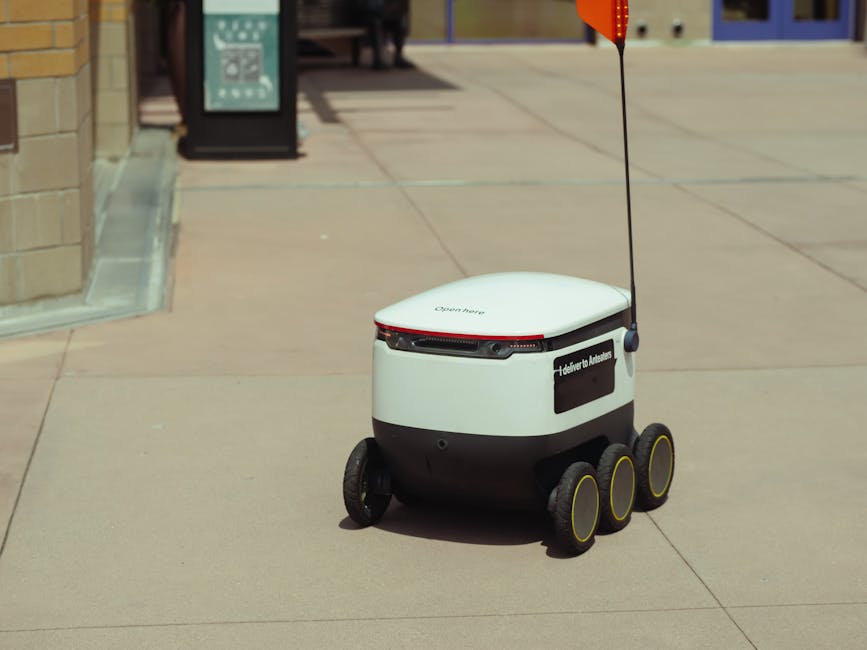
    Ready to elevate your business with AI chatbots? Try Lumabot free for 14 days and experience the future of customer service today.