
AI Costs 1 in 4 Businesses Clients: 2026 Outlook
Artificial Intelligence (AI) is often heralded as a transformative force for businesses, promising enhanced efficiency and the ability to offer round-the-clock customer service. However, recent studies indicate a surprising trend: 1 in 4 business owners believe AI is costing them clients. Understanding this trend is crucial as we look towards 2026, especially for small businesses aiming to thrive in an increasingly automated world.
Understanding the AI Impact on Client Retention

Recent statistics reveal that approximately 25% of businesses have reported a decline in client retention due to AI-related issues. This might seem counterintuitive given AI’s potential benefits. However, common misconceptions about AI’s customer service capabilities often lead to unrealistic expectations. Many businesses assume AI can entirely replace human interaction, but the reality is more nuanced.
“AI can be a powerful tool, but without the right implementation, it risks alienating the very clients it aims to serve.”
Understanding these misconceptions is vital for business owners who are navigating the integration of AI into their customer service solutions.
Case Study: A Small Business’s Struggle with AI

Consider the example of a small retail business that integrated an AI-driven chatbot to manage customer inquiries. Initially, they expected a boost in efficiency and client satisfaction. However, within months, they noticed a decline in customer retention. Clients reported frustration with the chatbot’s inability to handle complex queries.
“We thought AI would solve our problems, but instead, it created new ones,” said the business owner.
This case highlights the gap between expectation and reality, emphasizing the need for a balanced approach that incorporates both AI and human interaction.
Why 24/7 Support Isn’t Always the Answer

While 24/7 support is appealing, AI’s limitations in offering personalized service can lead to dissatisfaction. Clients often desire the human touch, especially when dealing with nuanced or emotionally charged issues. AI systems, while efficient, lack the empathy and understanding that human agents provide. This disconnect can result in clients feeling undervalued and overlooked.
To meet customer expectations, businesses must recognize the importance of integrating human elements into their AI systems. Personalized service remains a critical factor in client satisfaction and retention.
Strategies to Balance AI and Human Interaction
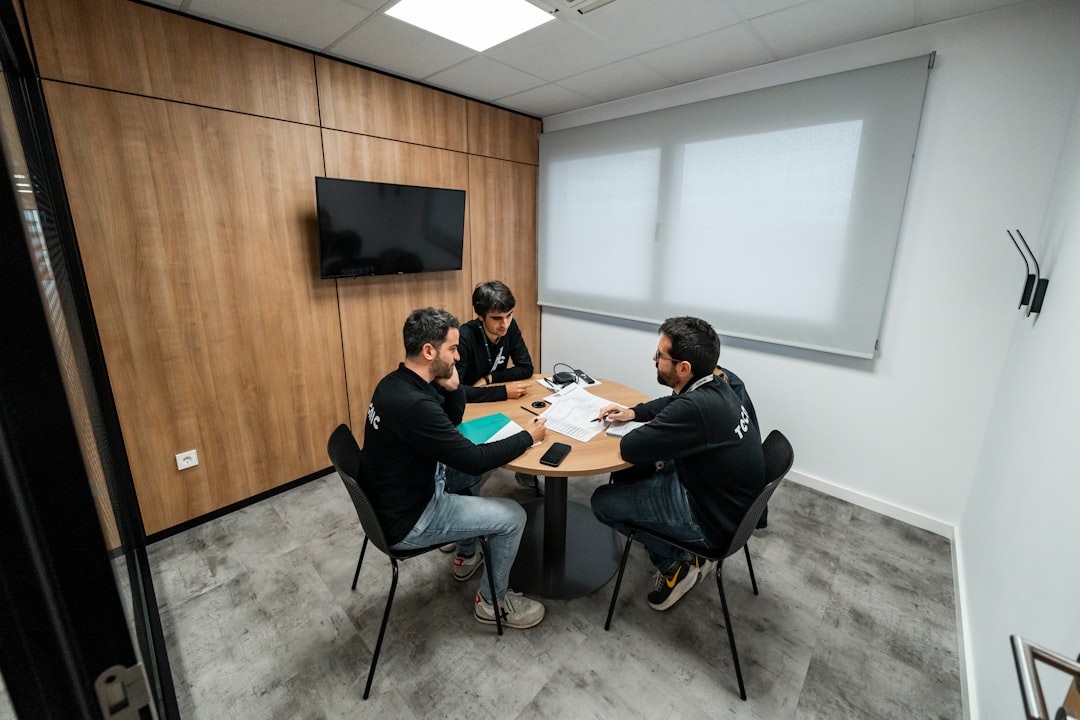
To effectively balance AI and human interaction, consider these actionable strategies:
- Integrate human oversight into AI systems to handle complex queries.
- Regularly update AI algorithms to better understand and predict customer needs.
- Train staff to work alongside AI, enabling seamless transitions between automated and human service.
Many businesses have successfully implemented these strategies. For instance, a tech startup integrated AI with a live chat feature, ensuring clients always had access to human agents when needed. This hybrid approach resulted in improved client satisfaction and retention.
Preparing for the Future: An Eye on 2026

Looking towards 2026, AI technology is expected to advance significantly. These advancements will likely include more sophisticated natural language processing capabilities and better predictive analytics. Small businesses should prepare by staying informed about these developments and adapting their strategies accordingly.
To remain competitive and client-focused, consider:
- Continuously evaluating AI tools and their impact on customer service.
- Investing in training and development for staff to keep up with AI advancements.
- Focusing on creating a personalized and empathetic customer experience.
As AI continues to evolve, small business owners must adapt to its challenges and opportunities. By understanding the delicate balance between technology and personal interaction, businesses can safeguard their client relationships as we approach 2026.
Call to Action: Try Lumabot free for 14 days to experience the perfect balance of AI efficiency and human interaction in customer service solutions.