Category: AI in Business

  • Why AI Makes Business Owners Uneasy

    Why AI Makes Business Owners Uneasy

    Why AI Makes Business Owners Uneasy

    As AI technology rapidly advances, many small business owners find themselves both intrigued and unsettled. While AI promises efficiency and 24/7 customer support, the implications of its integration can be daunting. Let’s explore a case study to understand why AI might make business owners uneasy.

    The Rising Presence of AI in Business
    AI technology in a small business environment
    Photo by Markus Winkler on Pexels

    AI adoption in small businesses is on the rise, with more entrepreneurs looking to leverage its capabilities for competitive advantage. Recent statistics show that AI-driven customer service and support have become a cornerstone of many business strategies, enhancing efficiency and enabling around-the-clock service.

    However, this surge in AI adoption comes with a caveat: the fear of the unknown. Business owners worry about potential technical issues, costs, and the impact on personalized customer service.

    A Closer Look: Case Study of ‘Local Café Co.’

    A cozy local café setting
    Photo by Mathias Reding on Pexels

    ‘Local Café Co.’ is a beloved neighborhood coffee shop that decided to integrate AI into its operations. The business aimed to streamline its customer service and manage online orders more efficiently, anticipating a boost in customer satisfaction and sales.

    Initially, the expectations were high. The owners envisioned an AI system that would seamlessly handle inquiries and automate routine tasks, freeing up staff to focus on the in-store experience. However, the reality proved to be more complex.

    The Unease: Challenges Faced by ‘Local Café Co.’

    Customer looking frustrated at a café counter
    Photo by Tim Samuel on Pexels

    Despite the initial excitement, ‘Local Café Co.’ encountered several challenges with their AI implementation. Technical hiccups led to delayed responses and frustrated customers. Moreover, there were rising concerns over data privacy, as customers questioned how their information was being stored and used.

    The integration of AI should never compromise the trust that customers place in a business.

    These issues underscored the importance of transparency and reliability when deploying AI solutions in customer-facing roles.

    Balancing Efficiency with Personal Touch

    Café staff providing personal customer service
    Photo by iMin Technology on Pexels

    One of the critical lessons learned was the necessity of balancing AI efficiency with the personal touch that customers expect. Human interaction remains a vital component of customer service, and businesses must ensure that AI complements, rather than replaces, this interaction.

    Here are some strategies to integrate AI without losing the personal touch:

    • Ensure AI interactions are personalized and context-aware.
    • Maintain a human backup for complex queries.
    • Regularly gather customer feedback to fine-tune AI responses.

    AI should enhance, not replace, the personal connections that define customer relationships.

    Lessons Learned and Moving Forward
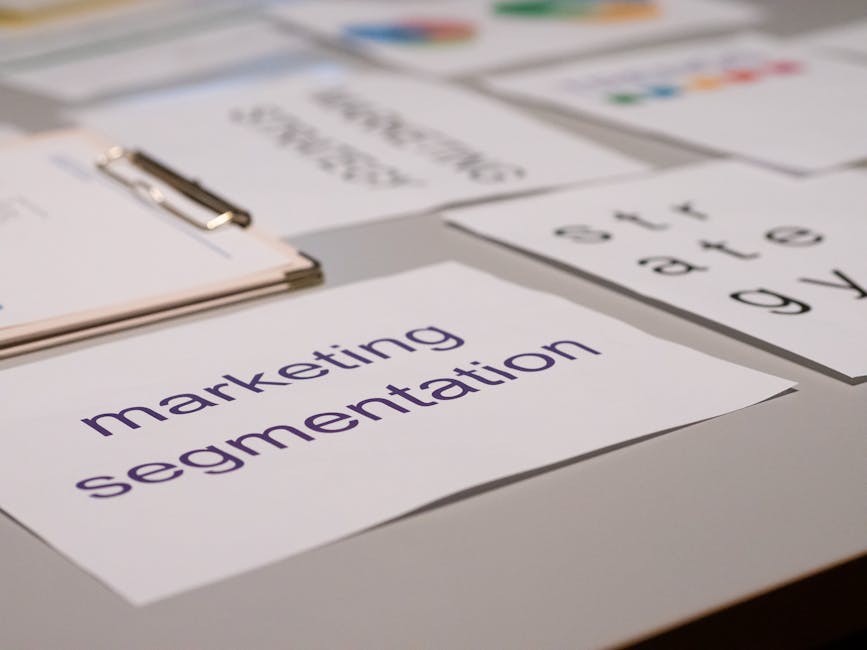
    Business team planning strategy
    Photo by Kindel Media on Pexels

    The experience of ‘Local Café Co.’ offers valuable insights for other small businesses considering AI integration. By acknowledging the potential pitfalls and preparing for them, businesses can better harness AI’s potential.

    When implemented thoughtfully, AI can offer significant advantages, such as improved efficiency and cost savings. However, careful planning and ongoing evaluation are essential to avoid alienating customers and eroding trust.

    Expert Tips for AI Integration

    AI specialist consulting with a business owner
    Photo by Sora Shimazaki on Pexels

    For small businesses looking to integrate AI, consulting with AI specialists can provide tailored solutions that align with specific business needs. Regularly reviewing AI systems for improvements and updates is also crucial to ensure optimal performance and customer satisfaction.

    Consider these actionable tips:

    • Work with experienced AI consultants for customized strategies.
    • Schedule periodic reviews and updates to your AI systems.
    • Communicate transparently with customers about AI use and data privacy.

    By taking these steps, small business owners can navigate the challenges of AI integration while preserving their unique business identity.

    AI is a powerful tool for small businesses, but it comes with its own set of challenges. By carefully navigating these challenges, small business owners can harness AI’s benefits while maintaining their unique business identity.

    Ready to explore AI solutions for your business? Try Lumabot risk-free for 14 days and discover how AI can enhance your customer service.


  • The Cost of Avoiding AI in Business

    The Cost of Avoiding AI in Business

    The Cost of Avoiding AI in Business

    In today’s fast-paced world, small business owners often shy away from AI, fearing the upfront costs. But what if avoiding AI is actually more expensive? Let’s explore the hidden costs of sticking to manual processes.

    The Time You’re Losing

    Clock with gears representing time management
    Photo by Mateusz Mierzejewski on Pexels

    Manual processes require more manpower and hours, a cost that accumulates over time. Every small business owner knows that time is money, and spending too much of it on repetitive tasks can be detrimental. With AI, you can automate these tasks, freeing up valuable time that can be better spent on strategic growth.

    “Time spent on manual processes is time lost on innovation and growth.”

    Consider how much more you could accomplish if your team wasn’t bogged down with routine tasks. AI offers a practical solution to reclaim these hours, making your business more efficient.

    The Money Left on the Table

    Money slipping through fingers
    Photo by Moon Bhuyan on Pexels

    Manual data entry and management can lead to costly errors, from incorrect billing to inventory mishaps. These mistakes not only waste time but also directly impact your bottom line. AI solutions streamline operations and significantly reduce overhead by minimizing human error.

    With AI, you gain actionable insights into your business operations, enabling you to make data-driven decisions that enhance profitability.

    Opportunities Missed Without AI

    Business trends and analytics
    Photo by ThisIsEngineering on Pexels

    Lack of AI can lead to missed insights and trends that are critical for growth. AI tools provide data-driven strategies that reveal emerging market trends and customer preferences, allowing you to stay ahead of the curve.

    “Missing out on AI means missing out on opportunities for growth and innovation.”

    By leveraging AI, small businesses can adapt more quickly to market changes, ensuring they remain competitive in an ever-evolving landscape.

    The Advantage of 24/7 Support

    24/7 customer service support
    Photo by MART PRODUCTION on Pexels

    Manual processes limit customer service to business hours, potentially leaving customers frustrated and seeking alternatives. AI offers 24/7 support, enhancing customer satisfaction and loyalty. This around-the-clock service ensures that customer inquiries are addressed promptly, improving your brand’s reputation.

    With Lumabot features, your business can provide seamless customer service solutions that keep customers happy and engaged.

    Why Small Businesses Need AI Now

    Small business leveraging AI technology
    Photo by Matheus Bertelli on Pexels

    To stay competitive with larger businesses using AI, small businesses need to adopt these technologies now. AI offers scalable customer service and growth opportunities that are crucial for long-term success.

    Incorporating AI into your business strategy is not just an option; it’s a necessity to remain relevant and profitable in today’s market.

    “Investing in AI today ensures a competitive edge tomorrow.”

    While AI might seem like an upfront investment, the long-term savings and opportunities it brings far outweigh the costs of manual processes. It’s time to embrace the future.

    Call to Action: Try Lumabot risk-free for 14 days and discover the difference AI can make for your business.

  • AI Isn’t Magic — It’s a Tool for SMBs

    AI Isn’t Magic — It’s a Tool for SMBs

    AI Isn’t Magic — It’s a Tool for SMBs

    In the age of digital transformation, AI is often portrayed as a magical solution to all business problems. However, for small business owners, understanding what AI can truly offer is key to leveraging it effectively. Let’s cut through the hype and explore how AI can be a valuable asset rather than a mythical savior.

    Understanding AI: Separating Fact from Fiction

    AI concept illustration
    Photo by Sanket Mishra on Pexels

    Artificial Intelligence, or AI, encompasses a range of technologies that enable machines to simulate human-like cognitive functions such as learning and problem-solving. It’s not about creating robots with human intelligence; rather, it’s about using algorithms to process data and make informed decisions. However, many misconceptions surround AI, often fueled by sensational media portrayals. It’s crucial to recognize AI as a tool with specific capabilities—not a magical entity that can solve every problem overnight.

    “AI is not magic; it’s technology that requires clear understanding and strategic implementation.”

    Setting Realistic Expectations for AI

    Realistic expectations for AI in business
    Photo by Pavel Danilyuk on Pexels

    When it comes to what AI can realistically achieve for small businesses, there are several areas where it can be immensely helpful. AI can automate repetitive tasks, provide data-driven insights, and enhance customer experiences. However, it’s essential to acknowledge its limitations. AI cannot replace the nuanced understanding and emotional intelligence that humans bring to the table. Additionally, implementing AI solutions can come with challenges such as data privacy concerns and the need for ongoing maintenance.

    “AI can enhance your business operations, but it cannot replace the human touch.”

    AI in Customer Service: Enhancing, Not Replacing

    AI customer service interaction
    Photo by Mikhail Nilov on Pexels

    One of the most practical applications of AI for small businesses is in customer service. AI-powered tools like Lumabot offer 24/7 support, ensuring that customer queries are addressed promptly, regardless of the time of day. This enhances the customer experience by providing immediate assistance. However, while AI can handle routine queries, complex issues still require human oversight and interaction. A balanced approach, integrating AI with human expertise, yields the best results.
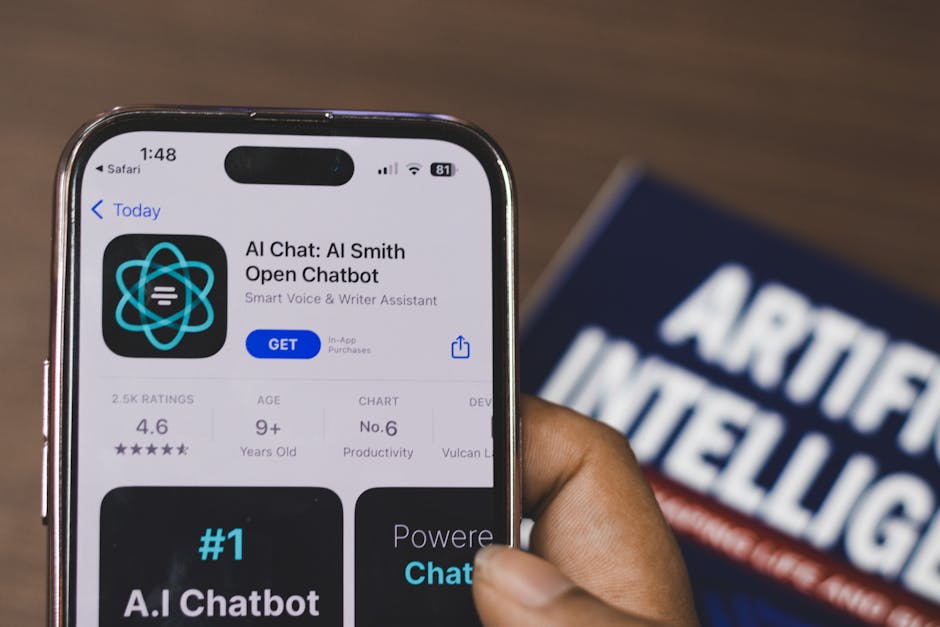
    Investing in AI: What Small Businesses Need to Consider

    AI investment considerations for SMBs
    Photo by Artem Podrez on Pexels

    For small businesses considering AI investment, several factors should be top of mind:

    • Cost-Effective Solutions: Look for AI tools that offer a good balance between features and affordability.
    • Scalability: Choose solutions that can grow with your business.
    • Integration: Ensure that the AI can be seamlessly integrated with your existing systems.
    • Vendor Support: Reliable vendor support can make the implementation process smoother and help address any issues that arise.

    Lumabot features practical solutions that can integrate with your existing customer service systems to enhance efficiency.

    Case Studies: Success Stories from Small Businesses

    Small business success with AI
    Photo by Markus Winkler on Pexels

    Consider the example of a local retail store that implemented AI chatbots to manage customer inquiries. This not only improved response times but also freed up staff to focus on in-store customers. Another example is a small accounting firm that used AI for data analysis, allowing them to offer more personalized financial advice to their clients. These stories highlight the importance of setting clear goals and expectations when adopting AI technology.

    “Real-world examples show that with strategic implementation, AI can significantly benefit small businesses.”

    The Future of AI: Trends to Watch

    Future AI trends for small businesses
    Photo by Markus Winkler on Pexels

    As AI technology continues to evolve, several trends are emerging that small businesses should keep an eye on. These include the increasing use of AI for personalized marketing, advancements in natural language processing, and the rise of AI-driven data analytics. Staying informed and adaptable will be key as these trends unfold, allowing small businesses to continue leveraging AI effectively.

    As AI continues to evolve, small business owners have the opportunity to harness its power effectively by setting realistic expectations and making informed investments. By understanding AI’s true capabilities and limitations, you can transform it from a buzzword into a practical tool that drives growth and efficiency.

    Try Lumabot risk free for 14 days and discover how AI can enhance your business operations.

  • AI Bots: A Boon or Bane for Small Businesses?

    AI Bots: A Boon or Bane for Small Businesses?

    AI Bots: A Boon or Bane for Small Businesses?

    In the rapidly evolving world of technology, AI is often perceived as both an opportunity and a threat. For small business owners, the rise of AI and bots can feel intimidating. But should they really be scared?

    Understanding AI in Customer Service

    AI enhancing customer service
    Photo by Kindel Media on Pexels

    Artificial Intelligence, or AI, refers to the simulation of human intelligence in machines designed to think and act like humans. In today’s market, AI plays a crucial role in enhancing customer service experiences. By automating routine tasks, AI allows businesses to provide quicker, more accurate responses to customer inquiries. This not only improves efficiency but also enhances customer satisfaction by providing a seamless service experience.

    The Rise of 24/7 Support

    Round-the-clock AI customer support
    Photo by Karolina Grabowska www.kaboompics.com on Pexels

    One of the most significant advantages AI offers small businesses is the ability to provide round-the-clock service. This 24/7 availability means that customers can get the help they need at any time, leading to increased satisfaction and loyalty. Consider the case of a small retail business that implemented 24/7 AI support. The business saw a substantial increase in sales as customers appreciated the continuous access to product information and support.

    Cost Efficiency of AI Solutions

    Cost efficiency of AI vs human staff
    Photo by Kindel Media on Pexels

    When it comes to cost efficiency, AI solutions often outperform their human counterparts. While the initial investment in AI technology can be significant, the long-term savings are substantial. For example, a small business that integrated AI into their customer service operations reported a 30% reduction in operational costs while increasing efficiency. This allowed them to allocate resources to other critical areas of the business.

    AI and Customer Satisfaction

    Happy customers with AI service
    Photo by MART PRODUCTION on Pexels

    Customer satisfaction is the cornerstone of any successful business. AI can significantly enhance this by providing personalized, faster service. A case study involving a small e-commerce store revealed that customer feedback improved dramatically after AI was implemented. Customers reported quicker response times and a more personalized shopping experience, leading to increased repeat business and referrals.

    Addressing the Fear Factor

    Overcoming fear of AI in business
    Photo by MART PRODUCTION on Pexels

    Despite the benefits, many business owners harbor fears about AI, such as losing the personal touch with customers. However, AI should be seen as a tool to enhance, not replace, the human element. By leveraging AI for routine tasks, businesses can free up human employees to focus on building relationships and providing a personal touch where it matters most. It’s about finding the right balance between technology and human interaction.

    Future of AI in Small Businesses

    Future trends in AI technology
    Photo by Pavel Danilyuk on Pexels

    Looking ahead, the integration of AI into small businesses is set to grow. As technology advances, AI solutions will become more accessible and affordable. To stay competitive, small businesses should consider the following steps to integrate AI into their strategy:

    • Identify tasks that can be automated.
    • Choose AI solutions that align with business goals.
    • Train staff to work alongside AI technology.
    • Continuously monitor and adjust AI implementations for optimal performance.

    In conclusion, while the integration of AI into small businesses may seem daunting, the potential benefits far outweigh the challenges. Embracing AI can lead to significant growth and efficiency, ensuring your business remains competitive in an ever-evolving market.

    Call to Action: Try Lumabot risk-free for 14 days and discover the benefits of AI for your business.

  • AI for Skeptics: Addressing 7 Small Biz Fears

    AI for Skeptics: Addressing 7 Small Biz Fears

    AI for Skeptics: Addressing 7 Small Biz Fears

    As a small business owner, the thought of integrating AI into your operations might be daunting. From fears about job loss to worries about data security, it’s natural to be cautious. Let’s explore these concerns and separate fact from fiction.

    Job Replacement Anxiety

    AI assisting humans in the workplace
    Photo by Sanket Mishra on Pexels

    The idea of AI replacing jobs is a common fear among small business owners. However, AI is designed to enhance human work rather than replace it. Imagine freeing up your team from repetitive tasks, allowing them to focus on more creative and strategic work. AI can handle mundane activities like data entry, scheduling, and basic customer inquiries, making your business operations smoother and more efficient.

    “AI can handle the mundane, so your team can shine in what they do best.”

    Cost vs. Value Concerns

    Cost benefit analysis chart for AI investment
    Photo by Kindel Media on Pexels

    Investing in AI might seem costly at first, but the long-term savings and efficiency gains can outweigh the initial expenses. Scalable AI solutions are available that can fit within your budget, offering flexibility as your business grows. By automating routine tasks, AI can help reduce operational costs, ultimately providing significant value for your investment.

    “The initial cost is an investment in future efficiency and savings.”

    Data Security Issues

    Data security lock
    Photo by Towfiqu barbhuiya on Pexels

    Data security is a legitimate concern when adopting AI systems. However, these systems can be designed with robust security protocols to protect sensitive information. Choosing reputable vendors with strong data protection practices is crucial. By doing so, you can ensure your business data remains secure while leveraging the benefits of AI.

    “AI can be secure if you choose the right partners.”

    Loss of Personal Touch

    AI chatbot interacting with a human
    Photo by Matheus Bertelli on Pexels

    Some fear that integrating AI will lead to a loss of personal touch in customer interactions. On the contrary, AI can actually enhance customer experiences by providing personalized interactions. AI tools can offer 24/7 support, handling customer inquiries at any time of day, which allows your human staff to focus on building deeper relationships with clients during business hours.

    Complexity of AI Systems

    User-friendly AI interface
    Photo by Airam Dato-on on Pexels

    The perceived complexity of AI systems can be intimidating. However, many AI solutions are designed to be user-friendly, requiring minimal technical knowledge to operate. Look for vendors who offer comprehensive training and support, ensuring that your team feels confident using the new tools and systems.

    Vendor Lock-In Concerns

    Flexible AI system integration
    Photo by Pavel Danilyuk on Pexels

    Worried about being tied to a single vendor? Choose AI tools that offer flexible integration options and ensure you have data portability features. This allows you to switch vendors without losing valuable data, providing peace of mind and flexibility as your needs evolve.

    Is AI Just Hype?

    Successful AI implementation case study
    Photo by Airam Dato-on on Pexels

    Some may wonder if AI is just a passing trend. However, AI is already transforming industries with proven successes in areas like customer service and beyond. Staying informed with case studies and success stories from businesses similar to yours can help you see AI’s practical applications and benefits.

    “AI is not just a trend; it’s the future of efficient business operations.”

    While skepticism is healthy, understanding and addressing these fears can empower small business owners to make informed decisions about AI adoption. Embrace AI as a tool to enhance, not hinder, your business operations.

    Try Lumabot risk-free for 14 days and discover how AI can benefit your business.

  • AI Pilot Program: Low-Risk Business Experimentation

    AI Pilot Program: Low-Risk Business Experimentation

    AI Pilot Program: Low-Risk Business Experimentation

    In today’s competitive market, leveraging AI can be a game-changer for small businesses. However, diving in without a strategy can be risky. This guide will show you how to conduct low-risk AI experiments to enhance your operations without jeopardizing your resources.

    Setting Clear Success Metrics

    success metrics for AI programs
    Photo by Matheus Bertelli on Pexels

    Before launching an AI pilot program, it’s crucial to define what success looks like. Establishing both quantitative and qualitative metrics is essential to ensure that your AI initiatives align with your overall business goals. Metrics could include:

    • Reduced response time in customer service
    • Increased sales conversions
    • Enhanced customer satisfaction scores

    By setting these benchmarks, you create a framework for evaluating the effectiveness of your AI solutions. This not only provides direction for the pilot program but also offers a roadmap for future AI integrations. Remember, clear metrics are your guiding light.

    Choosing the Right Pilot Project

    selecting an AI pilot project for business
    Photo by Mikael Blomkvist on Pexels

    Selecting the right pilot project involves identifying a department or workflow where AI can provide immediate benefits. A prime candidate could be your customer service department. Implementing a digital AI agent like Lumabot can offer 24/7 support, ensuring your customers are never left in the lurch.

    Projects with clear, measurable outcomes are ideal. Consider tasks that are repetitive or time-consuming, where AI can streamline operations and free up human resources for more complex tasks. The right project will help demonstrate tangible benefits quickly, fostering confidence in AI initiatives.

    Getting Team Buy-In

    team collaboration on AI project
    Photo by Moose Photos on Pexels

    A successful AI pilot requires the backing of your team. Communicate the benefits and goals of the AI pilot clearly. Address any potential concerns head-on and provide the necessary training to ease the transition. Encouraging team involvement and feedback is crucial for the program’s success.

    “The success of AI integration hinges on human collaboration and trust.”

    By fostering a culture of collaboration and openness, your team will be more likely to embrace AI solutions, paving the way for more extensive implementations in the future.

    Executing the AI Pilot Program

    executing AI program in business
    Photo by Matheus Bertelli on Pexels

    Now that you have your metrics and team on board, it’s time to roll out your AI solution. Implement the AI tool in the chosen department and monitor its performance closely. Collect data to understand what’s working and what isn’t. This real-time feedback is invaluable for making necessary adjustments.

    “Adaptability is key in the fast-paced world of AI technology.”

    Use the insights gained to refine your approach, ensuring that the AI tool is meeting the established metrics and contributing to your business goals.

    Scaling What Works

    scaling successful AI projects across business
    Photo by Andrea Piacquadio on Pexels

    With the pilot program concluded, analyze the results to identify successful strategies. If the AI solution met or exceeded your metrics, it’s time to plan for scaling these applications across other departments. Develop a roadmap for ongoing AI integration, ensuring that the transition is smooth and beneficial.

    This strategic scaling allows you to maximize the benefits of AI throughout your business, improving efficiency and customer satisfaction across the board.

    “Successful AI scaling can transform a small business into a powerhouse of efficiency and innovation.”

    By running a strategic AI pilot program, small businesses can explore the potential of AI without substantial risk. With clear metrics, the right project choice, and team buy-in, you can effectively scale successful solutions across your business.

    Call to Action: Try Lumabot risk-free for 14 days and see how AI can work for your business.

  • AI Starter Pack for Small Businesses

    AI Starter Pack for Small Businesses

    AI Starter Pack for Small Businesses

    Artificial Intelligence (AI) isn’t just for tech giants anymore. Small businesses are increasingly using AI to streamline operations, enhance customer service, and stay competitive. But with so many options, how do you know which AI tools are worth your investment?

    Must-Have AI Tools for Small Businesses

    Customer service bots and analytics
    Photo by PB Swiss Tools on Unsplash

    Adopting AI tools can be a game changer for small businesses looking to improve efficiency and customer satisfaction. Here are some must-have AI tools that can make a significant impact:

    Customer Service Bots

    Customer service bots enable businesses to enhance their 24/7 support without hiring additional staff. These bots can handle routine inquiries, freeing up human resources for more complex tasks. With Lumabot’s customer service solutions, small businesses can provide consistent and reliable support anytime, anywhere.

    AI-Powered Analytics

    Understanding customer behavior and market trends is crucial for making informed business decisions. AI-powered analytics tools can process vast amounts of data quickly, offering actionable insights that help you stay ahead of the competition.

    “AI analytics tools are like having a crystal ball for your business insights.”

    AI Tools You Can Skip (For Now)

    AI tools that small businesses can skip
    Photo by Anton Savinov on Unsplash

    While AI offers many valuable tools, not all are necessary for small businesses right now. Here are a couple of tools you might consider skipping:

    Advanced Machine Learning

    For most small businesses, advanced machine learning capabilities are overkill. These systems require significant data and resources to implement effectively, which may not be feasible for smaller operations.

    AI for Cybersecurity

    AI-driven cybersecurity solutions are often more suited for larger enterprises with complex security needs. Small businesses can typically rely on more straightforward, cost-effective security measures.

    “Focus on tools that directly align with your current business needs.”

    Affordable AI Tools to Build In-House

    Building AI tools in-house
    Photo by Samson Vowles on Unsplash

    Building AI tools in-house can be a cost-effective way to tailor solutions to your specific business needs. Here are two AI tools you can consider developing yourself:

    Chatbots

    Creating customized chatbots allows you to address specific customer queries and improve engagement. With platforms like Lumabot, you can develop bots that reflect your brand voice and meet your unique requirements.

    Basic Automation Scripts

    Automating repetitive tasks with simple scripts can save time and reduce human error. These scripts can handle tasks such as data entry, scheduling, and email responses, freeing up resources for more strategic activities.

    Leveraging AI for Improved Customer Service

    Using AI for improved customer service
    Photo by Erik Mclean on Unsplash

    AI can significantly enhance customer service by providing timely and personalized interactions. Here’s how:

    Automated Response Systems

    Automated response systems ensure that customers receive immediate assistance, even outside of regular business hours. These systems can handle common queries and direct more complex issues to human agents as needed.

    AI-Driven Personalization

    Using AI to analyze customer data enables businesses to offer personalized experiences. Tailoring recommendations and communications to individual preferences can lead to increased customer satisfaction and loyalty.

    “Personalization is key to building lasting relationships with your customers.”

    Budget-Friendly AI Solutions

    Budget-friendly AI solutions
    Photo by Ryno Marais on Unsplash

    Investing in AI doesn’t have to break the bank. Consider these budget-friendly options:

    Freemium AI Tools

    Many AI tools offer free versions with basic features. These allow you to test their effectiveness before committing to a paid plan, making them an excellent starting point for small businesses.

    AI Subscription Services

    Subscription-based AI services offer scalable solutions with pay-as-you-go models. This structure allows small businesses to access advanced AI capabilities without a large upfront investment.

    AI offers small businesses a valuable opportunity to enhance efficiency and customer service. By choosing the right tools and skipping unnecessary ones, business owners can effectively integrate AI into their operations without breaking the bank.

    Try Lumabot risk-free for 14 days and see how AI can transform your business!

  • From 60-Hour Weeks to 40: How One Small Business Used AI to Reclaim Work-Life Balance

    From 60-Hour Weeks to 40: How One Small Business Used AI to Reclaim Work-Life Balance

    How AI Saved Our Small Business Time and Stress

    Meet Jane, a small business owner who once juggled 60-hour work weeks. Discover how she leveraged AI to transform her operations and reclaim her work-life balance, setting an inspiring example for small business owners everywhere.

    The Challenge: Overworked and Overwhelmed

    A stressed small business owner overwhelmed with work
    Photo by RDNE Stock project on Pexels

    Jane’s daily routine was a marathon of tasks that seemed never-ending. With a small team and a growing list of clients, she found herself working late nights and weekends just to keep up. Her personal life suffered, and the constant stress began to take a toll on her health and happiness.

    “I felt like I was on a treadmill that never stopped,” Jane recalls. “My work-life balance was non-existent.”

    Not only did this impact her well-being, but it also stifled the potential growth of her business. Jane needed a way to manage her workload more efficiently to focus on strategic planning and customer service improvements.

    Discovering AI: A Game-Changer for Small Business

    AI-powered tools for small business operations
    Photo by Hatice Baran on Pexels

    Everything changed when Jane stumbled upon a webinar about AI solutions for small businesses. Intrigued by the possibility of technology easing her burdens, she learned about various AI tools that could automate routine tasks and provide 24/7 customer support. It was through this exploration that she discovered Lumabot, an AI agent designed specifically for small businesses like hers.

    “Finding Lumabot was a turning point,” Jane says. “It was the practical, actionable solution I had been searching for.”

    Implementing AI: The Transition Process

    Small business implementing AI technology
    Photo by Matheus Bertelli on Pexels

    Integrating AI into her business was not without its challenges. Jane began by identifying key areas where AI could have the most impact, such as customer inquiries and appointment scheduling. She invested time in training herself and her staff to use Lumabot effectively, overcoming initial adaptation hurdles with persistence and support from the Lumabot team.

    Here are some steps Jane followed for a smooth integration:

    • Identified repetitive tasks suitable for automation.
    • Set clear goals for what she wanted to achieve with AI.
    • Engaged in comprehensive training and leveraged available resources.
    • Regularly reviewed AI performance and made necessary adjustments.

    Reaping the Benefits: Work-Life Balance Restored

    A happy small business owner after using AI
    Photo by RDNE Stock project on Pexels

    The results were transformative. With AI handling routine tasks, Jane’s workweek reduced from 60 to a manageable 40 hours. This newfound efficiency not only improved her personal life but also enhanced her business’s operational capabilities. Customer service saw significant improvements, with Lumabot providing 24/7 support and ensuring no inquiry went unanswered.

    “AI gave me my life back,” Jane beams. “Now, I can focus on growing my business without sacrificing my personal time.”

    Lessons Learned: Advice for Fellow Business Owners

    Small business owner sharing advice on AI integration
    Photo by RDNE Stock project on Pexels

    Jane’s journey offers valuable lessons for other small business owners considering AI integration:

    • Start small, focusing on areas where AI can provide immediate benefits.
    • Take advantage of training resources and support from your AI provider.
    • Regularly assess the impact of AI on your business and make adjustments as needed.

    Embracing technology doesn’t mean compromising on quality. Instead, it can lead to a better work-life balance and more time to focus on strategic growth.

    Reflect on the transformative power of AI in small businesses, reinforcing that technology can enhance both operational efficiency and personal well-being.

    Call-to-Action: Try Lumabot risk-free for 14 days and experience the transformation yourself.

  • Automate 5 Small Biz Tasks with AI Now

    Automate 5 Small Biz Tasks with AI Now

    Automate 5 Small Biz Tasks with AI Now

    In the fast-paced world of small business, time is your most valuable asset. Imagine what you could achieve if you could automate routine tasks effortlessly, without the need for a tech team. This week, leverage AI to revolutionize your operations and focus on what truly matters.

    Streamline Customer Service with AI Chatbots

    AI chatbot providing customer support
    Photo by Airam Dato-on on Pexels

    Implementing AI chatbots for 24/7 customer support is a game-changer. These digital assistants can handle routine inquiries, freeing up your time and resources. By reducing response time, you’ll see a significant increase in customer satisfaction. With solutions like Lumabot features, integrating AI chatbots into your customer service strategy is both practical and actionable.

    “AI chatbots enhance customer satisfaction by providing instant responses to inquiries.”

    Automate Social Media Management

    AI tools managing social media
    Photo by Bastian Riccardi on Pexels

    Managing social media can be a time-consuming task, but AI tools can transform this process. By scheduling posts and engaging with followers automatically, you can maintain an active online presence without constant oversight. Analyze engagement data to optimize your strategies and ensure your content resonates with your audience.

    “AI tools streamline social media management by automating post scheduling and engagement.”

    Enhance Email Marketing with AI

    AI personalizing email campaigns
    Photo by Monoar Rahman on Pexels

    Email marketing remains a powerful tool for small businesses, and AI can enhance its effectiveness. With AI, you can personalize email campaigns for better open rates and automate follow-up sequences. Additionally, A/B testing can be automated, allowing you to fine-tune your messaging for maximum impact.

    “Personalized email campaigns yield higher open rates and engagement.”

    Leverage AI for Inventory Management

    AI managing inventory
    Photo by Tima Miroshnichenko on Pexels

    Inventory management can be complex, but AI offers a solution. By predicting stock needs and automating reordering, you can minimize overstock and prevent stockouts effortlessly. This not only saves time but also reduces waste and improves your bottom line.

    Simplify Bookkeeping Processes

    AI automating bookkeeping tasks
    Photo by Matheus Bertelli on Pexels

    Bookkeeping is another area where AI can shine. By integrating AI to automate expense tracking and invoicing, you ensure accurate financial records with minimal effort. This automation frees you to focus on strategic financial planning rather than mundane data entry.

    Embracing AI automation can transform the way your small business operates, allowing you to focus on growth and innovation. By automating these tasks, you can enjoy increased efficiency and improved customer experiences.

    Try Lumabot risk free for 14 days and see how AI can elevate your business operations.

  • The $10K Question: Cost of Not Using AI

    The $10K Question: Cost of Not Using AI

    The $10K Question: Cost of Not Using AI

    In today’s fast-paced business world, time is money, and inefficiency can be costly. Discover how not utilizing AI could be costing your small business thousands in wasted resources and missed opportunities. This case study unveils a practical framework for calculating the true cost of repetitive tasks and the ROI potential of AI automation.

    Understanding the True Cost of Repetitive Tasks

    Small business owner overwhelmed by paperwork
    Photo by Christina Radevich on Unsplash

    Every small business has its share of repetitive tasks that eat away at valuable time. These tasks often include data entry, responding to routine inquiries, and managing inventory or scheduling. For instance, a small retail store might spend hours each week manually updating their stock levels, while a service-based business could be bogged down by appointment scheduling.

    Let’s consider a real-world example: a small e-commerce business spends an average of 10 hours a week managing customer inquiries and order processing manually. This time adds up to 520 hours a year, translating into lost opportunities to grow the business.

    Case Study: A Small Business Before and After AI

    Small business before and after AI implementation
    Photo by Vitaly Gariev on Unsplash

    Meet Jane, the owner of a thriving boutique. Jane was struggling with repetitive tasks that took her away from focusing on strategic growth. After implementing AI tools like Lumabot, she noticed immediate changes. The AI took over routine customer service inquiries and automated inventory management, freeing up Jane’s time to focus on expanding her product line.

    “AI transformed my business operations, freeing up 15 hours a week that I could reinvest in strategic initiatives,” says Jane.

    Calculating the ROI of AI Automation

    Graph showing ROI increase after AI implementation
    Photo by Yusuf Onuk on Unsplash

    Calculating the return on investment (ROI) for AI automation is straightforward. Use this simple formula: ROI = (Net Profit from AI – Cost of AI) / Cost of AI. In Jane’s case, the initial investment in AI tools was $5,000, but by saving 15 hours a week, she effectively gained $20,000 in value annually, resulting in a substantial ROI.

    “The ROI on AI investment was clear; it paid for itself within months,” Jane added.

    The Role of AI in Enhancing Customer Service

    AI-powered customer service interaction
    Photo by Cova Software on Unsplash

    AI plays a crucial role in enhancing customer service by providing 24/7 support. This constant availability leads to improved customer satisfaction and retention rates. Businesses using AI-driven customer service solutions, like Lumabot features, report higher engagement and loyalty from their customers.

    Consider this: customers expect prompt responses. AI ensures no inquiry goes unanswered, maintaining high satisfaction levels and fostering trust.

    Steps to Implement AI in Your Small Business

    Steps for AI implementation in small businesses
    Photo by Kaden Taylor on Unsplash

    Ready to integrate AI into your business? Follow these actionable steps:

    • Identify the most time-consuming repetitive tasks.
    • Research AI tools that address your specific needs.
    • Select a reliable vendor offering comprehensive support.
    • Start with a pilot program to test AI solutions.
    • Measure results and refine your AI strategy continuously.

    When selecting AI tools, consider Lumabot for its robust customer service solutions and easy integration.

    In conclusion, AI can transform repetitive processes into opportunities for growth, as demonstrated in Jane’s case study. The financial and operational benefits are undeniable, making AI not just an option but a necessity for small businesses aiming to thrive in today’s competitive landscape.

    Call to Action: Try Lumabot free for 14 days and discover the power of AI automation in your business.